Beatrix Potter’s Botanical: The Art of Flowers and Fungi
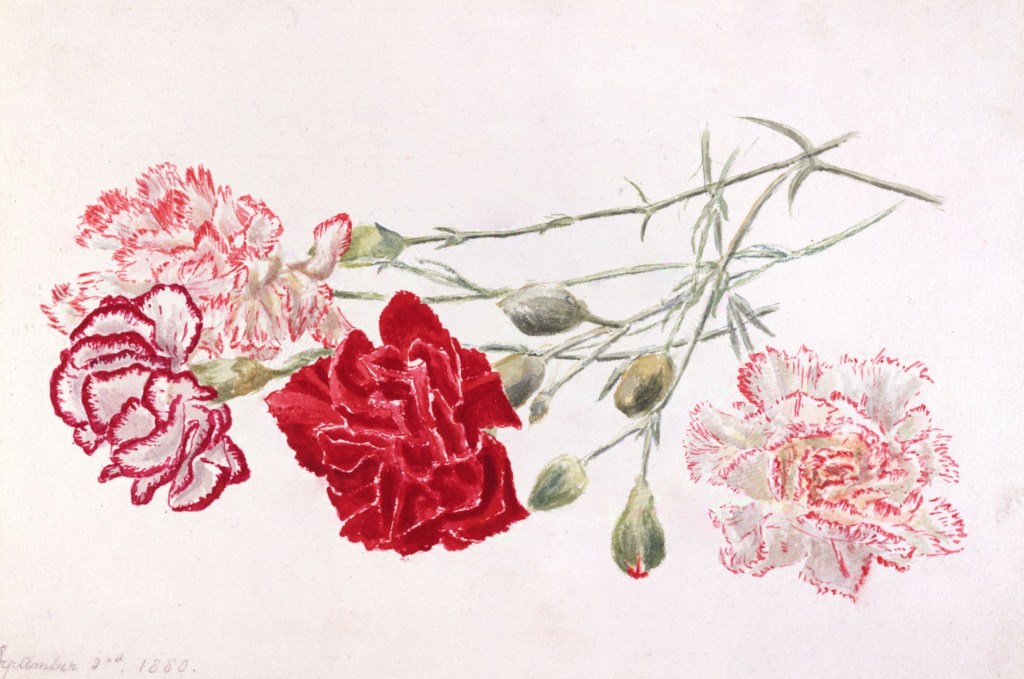
Dive into the Botanical World of Peter Rabbit with Beatrix Potter’s Botanical: The Art of Flowers and Fungi
A rare collection of Beatrix Potter’s own botanical art, and an exploration of the role these plants played in her personal and literary life.
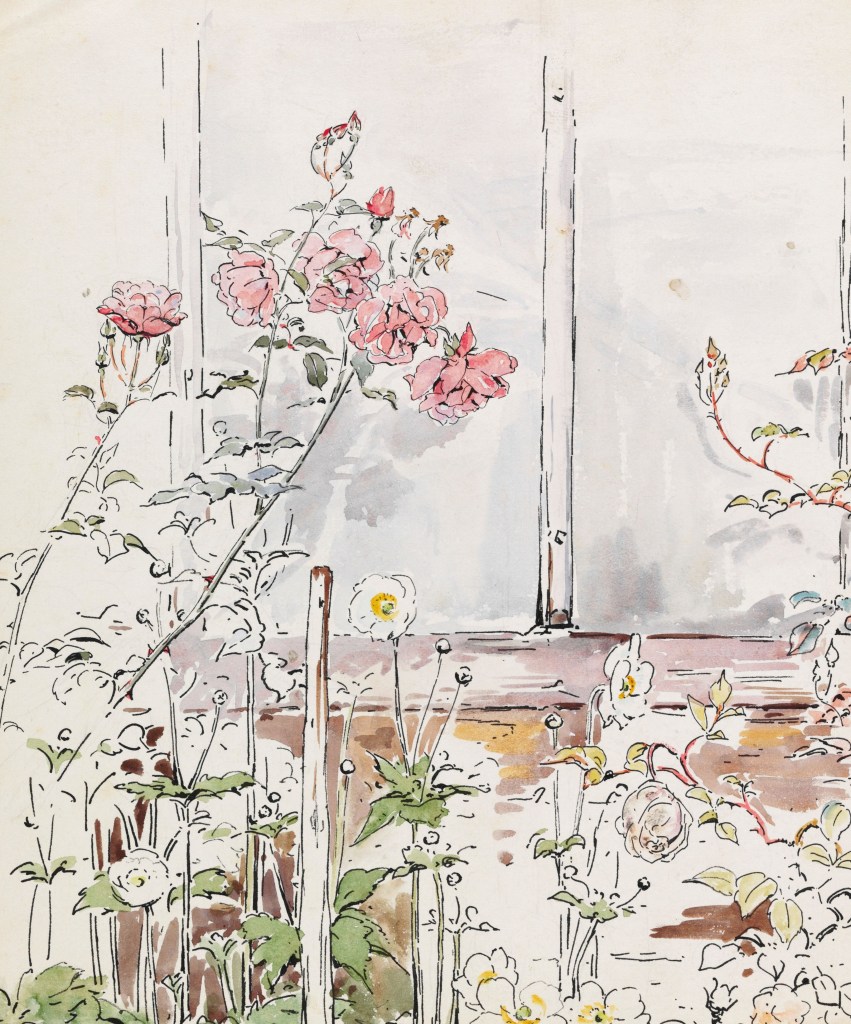
Beatrix Potter’s Botanical collects and showcases 65 plants and fungi that Beatrix Potter made special study of in her often-overlooked career as a botanical artist. For each species we see Potter’s original pencil and watercolor renderings, learn about the specimen’s role in her various beloved gardens, and hear the stories of how it inspired or appeared in her literary work. The result is a new look at the celebrated illustrator as a pioneering botanical artist and budding scientist. Beatrix Potter is a beloved author and illustrator and this gorgeous exploration of her work will appeal to a wide array of fans.
For decades, readers around the world have fallen in love with Beatrix Potter’s illustrations, captivated by her vision of a world where rabbits in rustic finery wander through visually enchanting gardens. But have you ever wondered where Potter’s fascination with plant life came from? Acclaimed garden historian and author Marta McDowell examines Beatrix Potter’s work as a botanical artist, exploring the influences that shaped her beloved stories.
Enjoy a sneak-peak into a few of the questions that the book tackles:
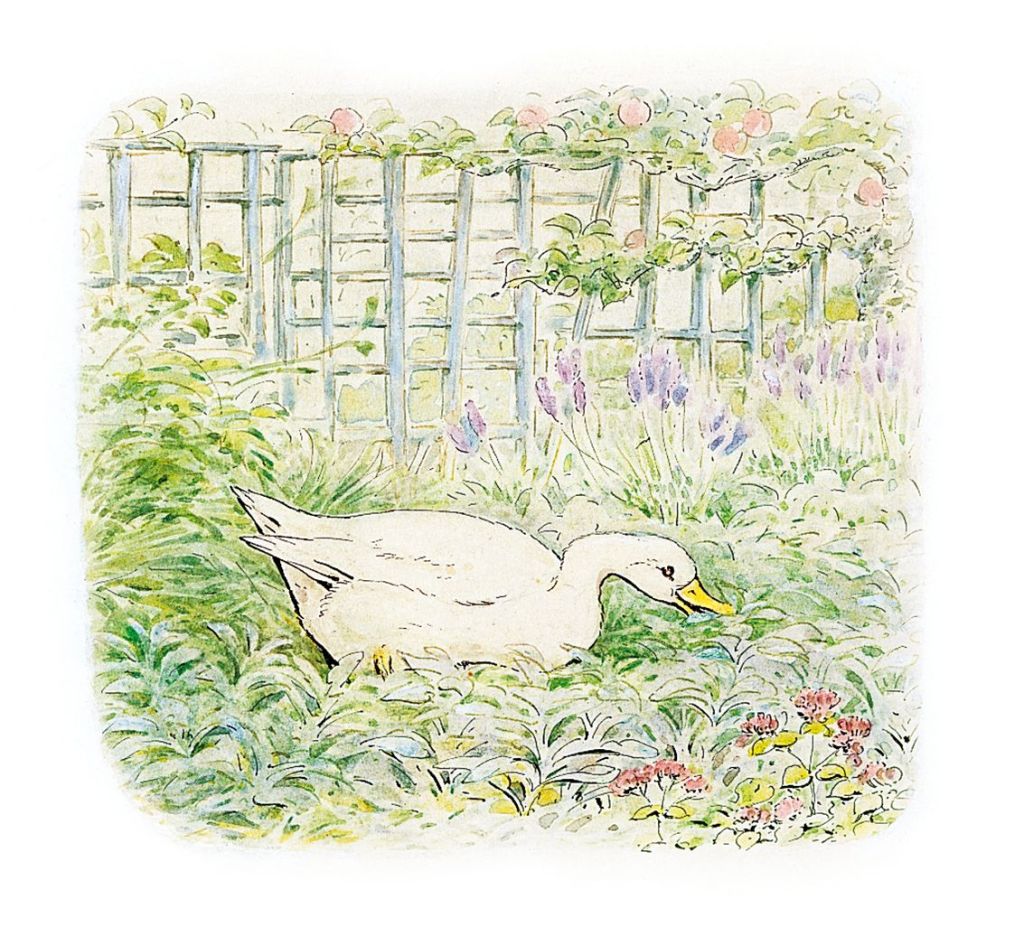
How Did Beatrix Potter Learn to Draw?
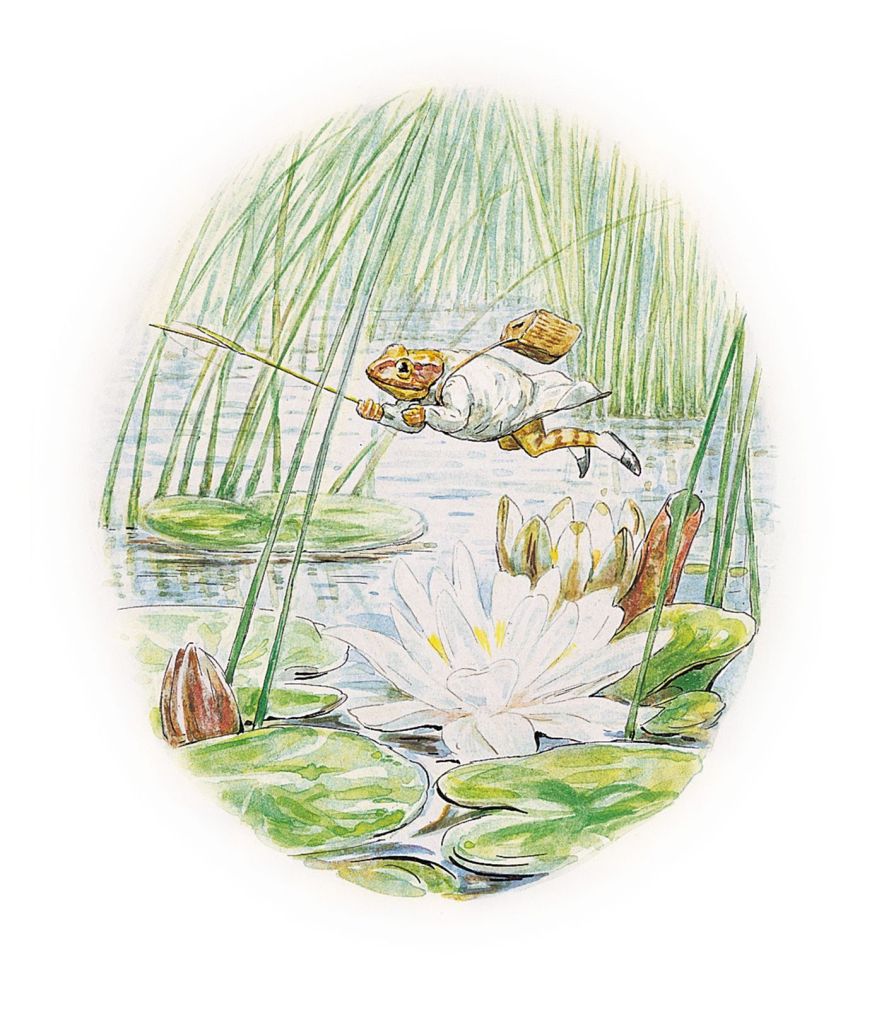
Although she is best known for watercolors, Beatrix Potter also created detailed sketches of plants and fungi.
“From an early age, Beatrix felt compelled to draw: flora, fauna, and whatever else caught her eye—though rarely people. In the schoolroom of Bolton Gardens, her governess provided her first formal instruction in drawing. In her parents’ library, Beatrix also found how-to-draw manuals by artists like Vere Foster and James Andrews. She had private oil painting lessons, copied illustrations from books, and passed qualifying examinations in perspective, practical geometry, and freehand drawing. From age twelve to almost eighteen, she was tutored in art by a Miss Cameron from whom she learnt these subjects, plus “a little water-colour flower painting.” Her skills rapidly developed, though she quickly abandoned oils, prefer ring the immediacy of watercolors” (McDowell 20).
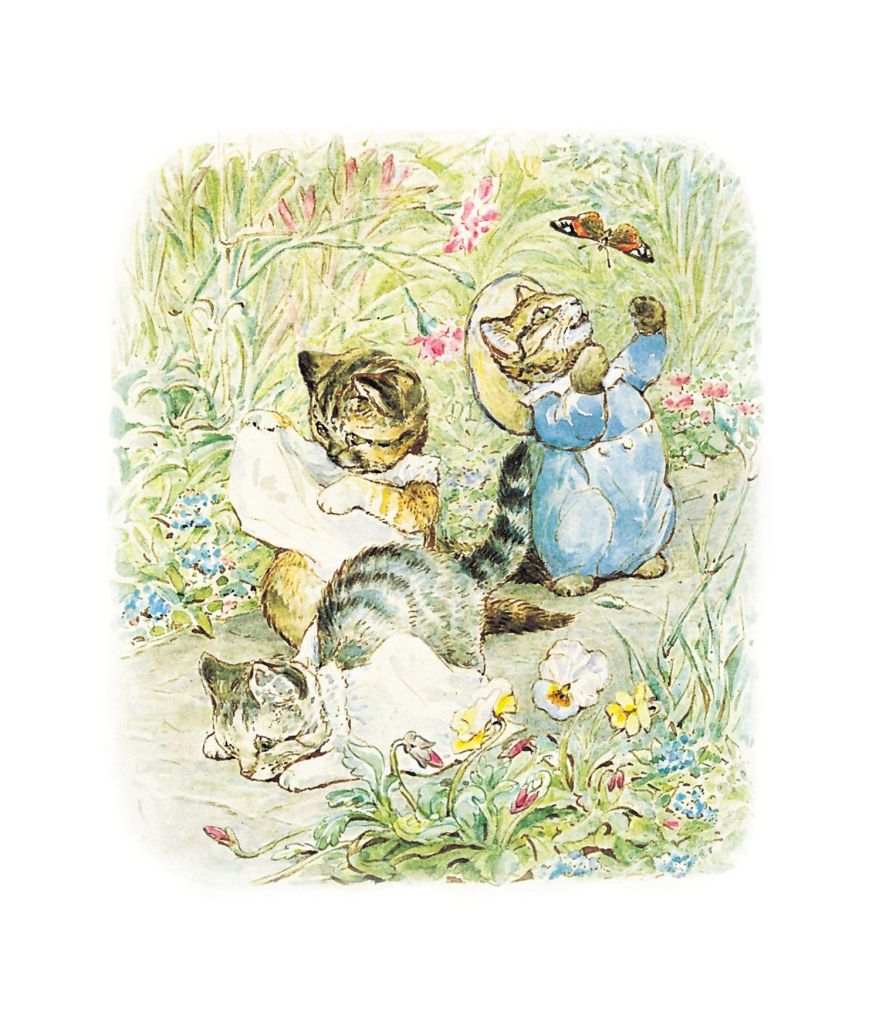
What Did Beatrix Potter Study?
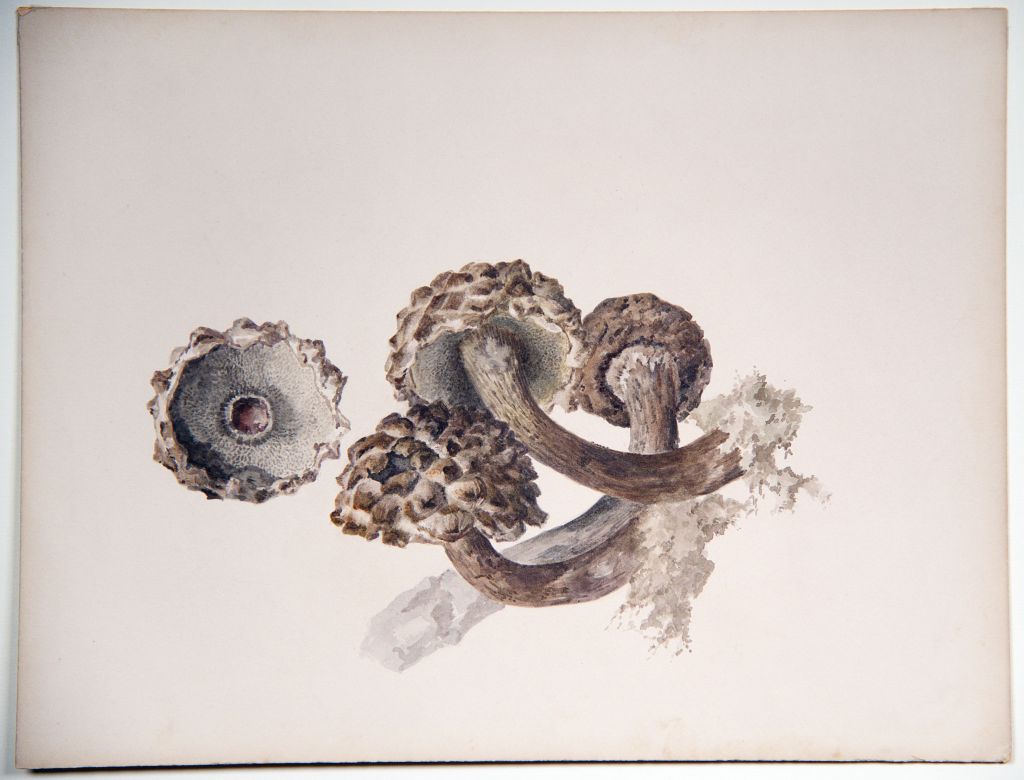
As an amateur mycologist, Beatrix Potter studied fungi. However, she had a wide range of interests, including plants, insects, and botany.
“Applying her artistic expertise to this new pursuit, [Beatrix Potter] executed hundreds of drawings of fungi, lichens, and mosses. Using her 600-power microscope, she made precise illustrations of features such as spores. Beyond pencils, pens, and paintbrushes, Potter experimented with the germination of mushrooms. She authored a technical paper—now lost—presented to the Linnaean Society by a mycologist from the Royal Botanic Gardens, Kew in 1897” (McDowell 20-24).
Who Were Beatrix Potter’s Parents?
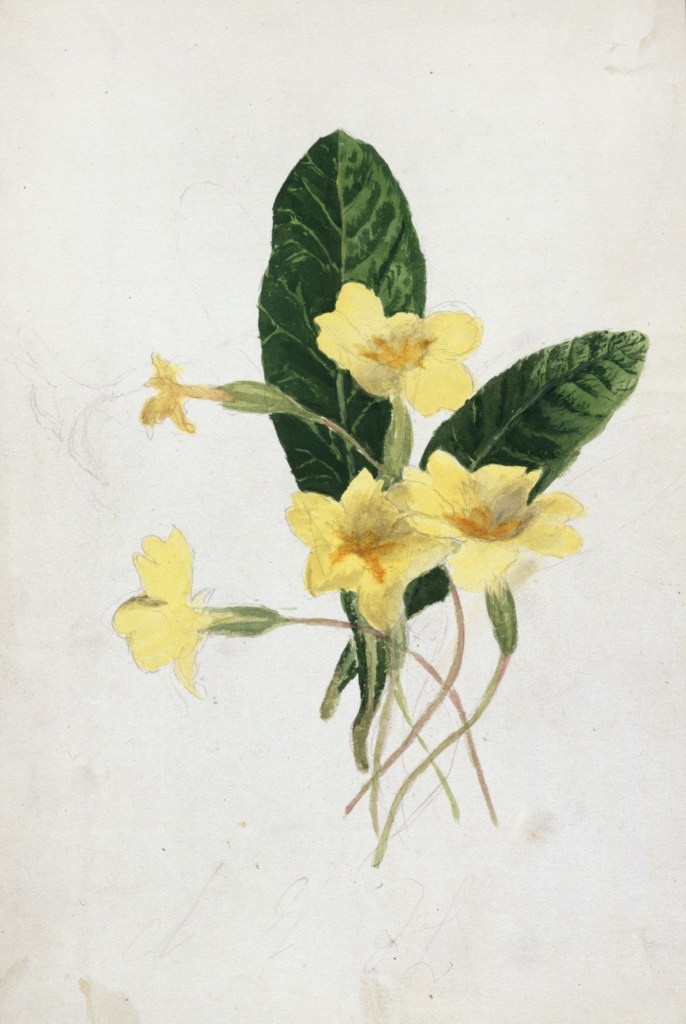
Beatrix’s father, Rupert Potter, was a barrister, and her mother, Helen Leach Potter, was a talented artist who managed their home.
“Both parents were artistic. Rupert’s surviving sketchbooks show an able hand, including witty pen-and-ink caricatures of animals, but he put most of his creative energies into the new field of photography. In 1869 he was elected to the Photographic Society of London. . . Helen was skilled in needlework and a capable watercolorist, executing lovely landscape paintings. Rupert and Helen visited galleries and discussed art; their two children would later join them” (McDowell 18-19).
Where Did Beatrix Potter Live? What Were Some of the Places That Influenced Her Work?
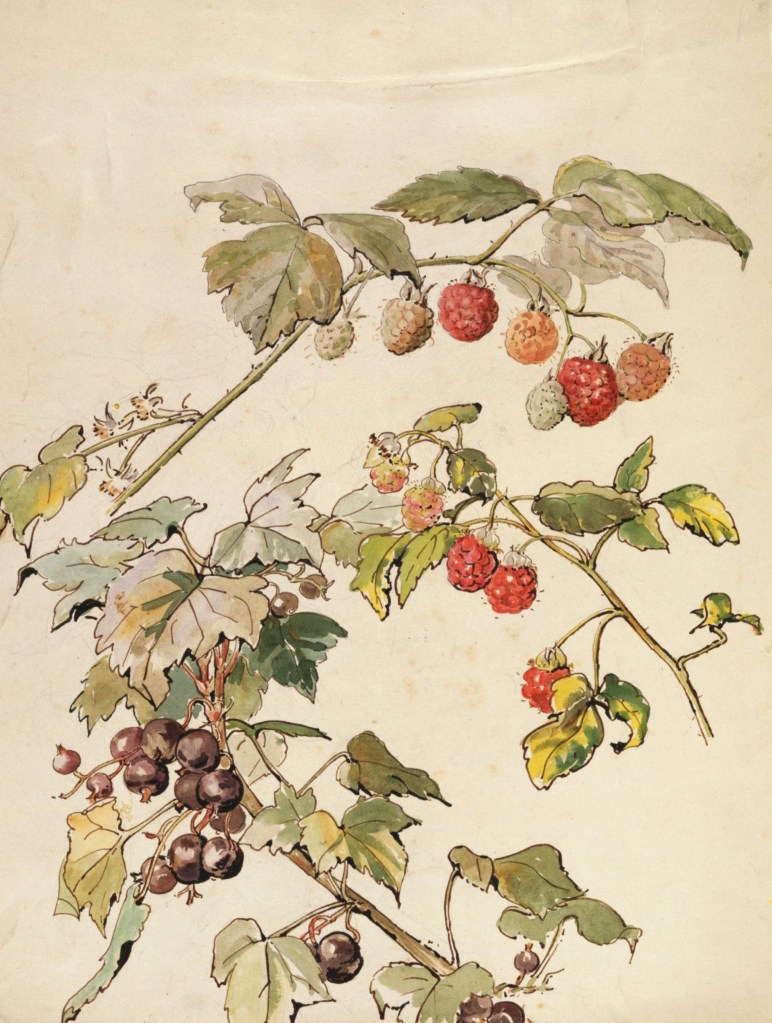
During her childhood, Beatrix Potter’s family lived in the Kensington Neighborhood of London. Later in life, she moved to Hill Top Farm in the village of Near Sawrey, in North West England. She drew inspiration from a wide variety of places across the UK, including her grandparent’s Estate, Camfield Place, where she often visited as a child.
Staying with her grandparents at Camfield was always a treat, so much better than the urban Bolton Gardens. During a visit one spring, Beatrix wrote, ‘“Why do people live in London so much?”’ (McDowell 37).
“Beatrix found beauty at Camfield in every season. In spring, there were the calls of cuckoos, and summer was draped in green: stretches of turf sloping down to the ponds and glorious specimen trees. Autumn brought its russets and golds. Of winter, Beatrix was poetic” (McDowell 39).
Discover more about the places, people, plants, and fungi that influenced Beatrix Potter’s classic stories in Beatrix Potter’s Botanical: The Art of Flora and Fungi.